 Register with Google
No doubts, the internet has made it possible for consumers to purchase most things online - from tangible items (products) to intangible items (services).
Loading...


No doubts, the internet has made it possible for consumers to purchase most things online - from tangible items (products) to intangible items (services).
As a result, issues are likely to arise between the seller and the buyer when such distance buying and selling is involved.
Typical cases involving consumer protection regulation when it comes to distance selling include services or goods ordered via the internet or telephone. The US does not have specific distance selling regulations as is found in UK. What companies do in USA generally is to make policies and disclosures in line with consumer protection laws, also taking a little clue from the UK distant purchase regulations. Therefore here is what you are typically entitled to in a US scenario:
So, what rights do you have if something goes wrong after making a distance purchase over the internet or via the phone?
First, you should know the obligations that the law imposes on the supplier or seller when distance selling is involved. This will provide you with insight on how to go about issues arising from distance buying.
So, What are the Obligations Imposed upon the Seller or Supplier?
According to the consumer protection regulation, the seller or supplier is obliged to communicate the following pieces of information prior to contract formation;
Who the seller or supplier is – including address if upfront payment is madeDescription of the items --- the goods and servicesCost of the goods or services --- any tax inclusiveDelivery charge --- if anyThe mode of payment and mode of delivery of the goods and services purchasedNotification to the buyer of his or her right of cancellation The duration of the contract offer’s validityCommunication costs involved If the contract is not a one-off thing, how long will it last?When the seller or supplier provides the pieces of information above, he or she must make sure there is no form of ambiguity as directed by the regulation. In addition, the seller must provide these pieces of information to the consumer in storable or durable medium, including any terms and conditions.
Also, the seller must provide geographical address, as well as the conditions that would warrant contractual action if the contract would span for more than one year.
And, the seller is obliged to carry out the contract within 30 days of making the contract. If the seller is not able to meet or perform the contract, he is obliged to pay back any money and also return the property (if any) that the buyer secured the contract with --- he must make the full refund and return within 30 days.
Your Rights as a Consumer --- Cancellation
As long as the seller has supplied all the information indicated above prior to contract formation, the buyer possesses automatic right to cancel and withdraw from the purchase or contract from the time of making the purchase or contract formation to 7 working days following the delivery of the goods ---- if a service is involved, the duration is 7 working days after the formation of the contract. The regulation was amended in 2013 to extend the cancellation period to 14 days.
So, What Happens after You Cancel a Distance Purchase?
According to the consumer protection regulation, the supplier or seller is obliged to reimburse you (the buyer or consumer) within 30 days of giving cancellation notice --- and must reimburse any delivery cost. The regulation obliges the buyer to take good care of the items (goods) and deliver to the seller when he demands for them.
If it is agreed between the seller and the buyer that the good should be delivered through post, the consumer will bear the cost, except for the case of faulty goods, or where the description of the good does not fit the one provided by the Sale of Goods Act --- in this case, the seller will reimburse the buyer both the return and delivery costs.
Exceptions to the Rule
There are exceptions or exclusions when it comes to the regulation guiding cancellation of distance purchase. The exceptions include the following;
Contracts involving the sale of land, with exception of a rental agreementContract involving a building construction where such contract also involves a sale or disposition of the land for the construction of the building --- with exception of a rental agreementFinancial services related contractsContracts concluded in an auction placeContracts made via automated commercial premises or automated vending machineYou should know that in USA, there is no specific distance selling regulations as is provided in UK. In USA generally you have to make necessary disclosures so that your practice is not regarded as unfair trade practice.
Further Reading:
http://www.legislation.gov.uk/uksi/.../made
Consumer Protection in the United Kingdom:
https://en.wikipedia.org/wiki/...the_United_Kingdom
Bureau of consumer protection
Lawyers can help you
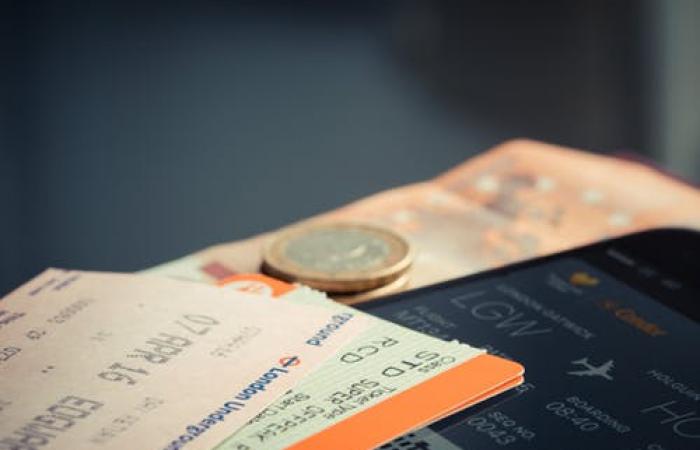
Request for a reimbursement of my ticket funds.
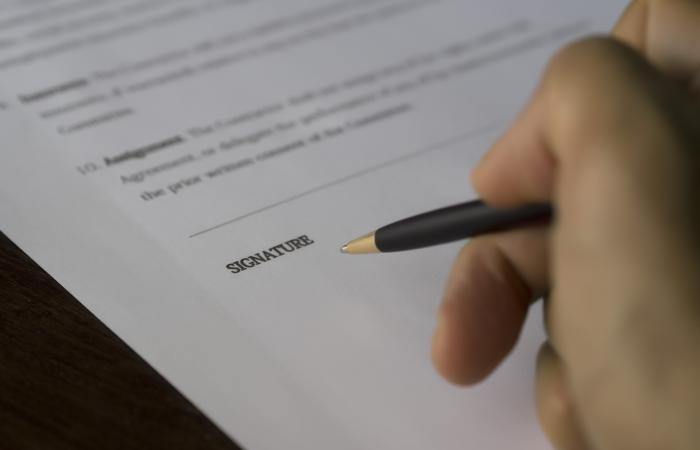
Here's a typical scenario: Brian subscribed to a monthly browsing, calling and texting plan from his internet service provider. He got a call from a sales rep working for his internet service provider, offering him a Samsung tablet --- but on the condition that he upgrades his current browsing, calling and texting plan.
No doubts, the internet has made it possible for consumers to purchase most things online - from tangible items (products) to intangible items (services).
You need to login to post a comment.
WIKIRIGHT can help you
19 posts on 7 categories
1 documents related to posts
18 lawyers can help you
We have all the content to help you to solve your problem










Subscribe to our newsletter